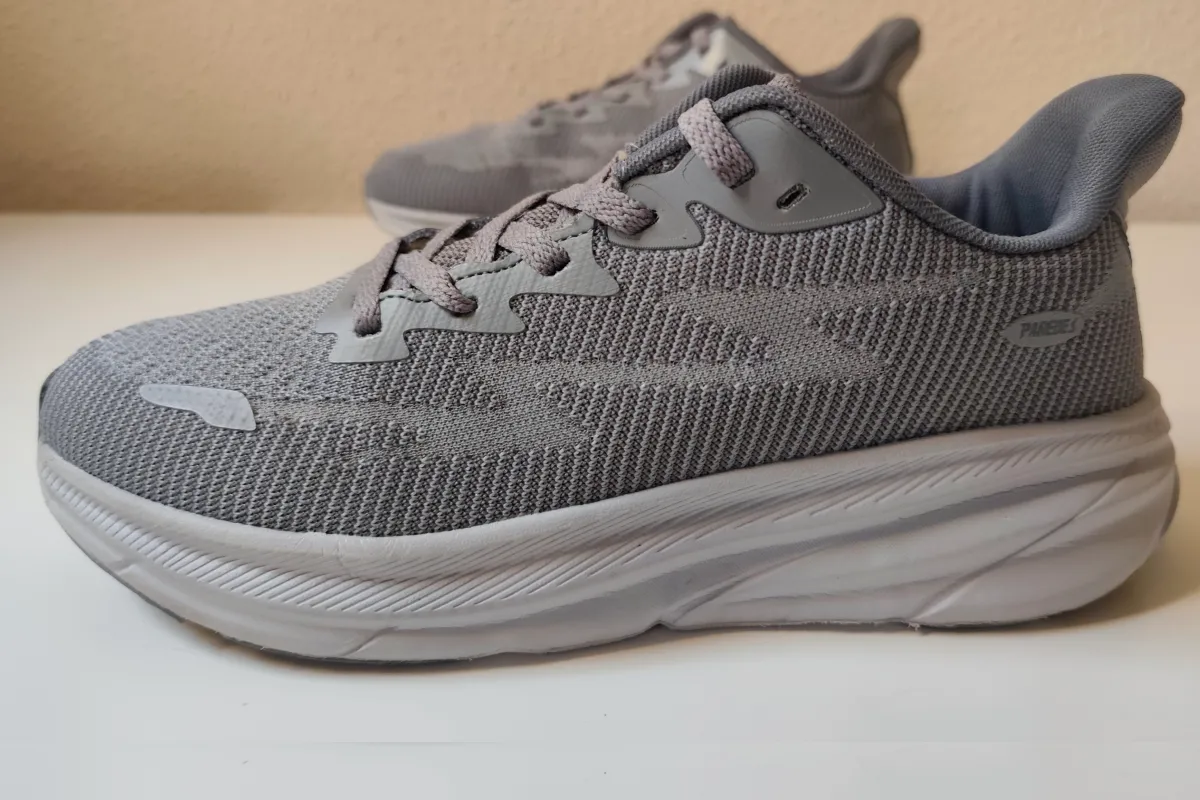
How to Wash Sneakers in the Washing Machine: 7-Step Guide
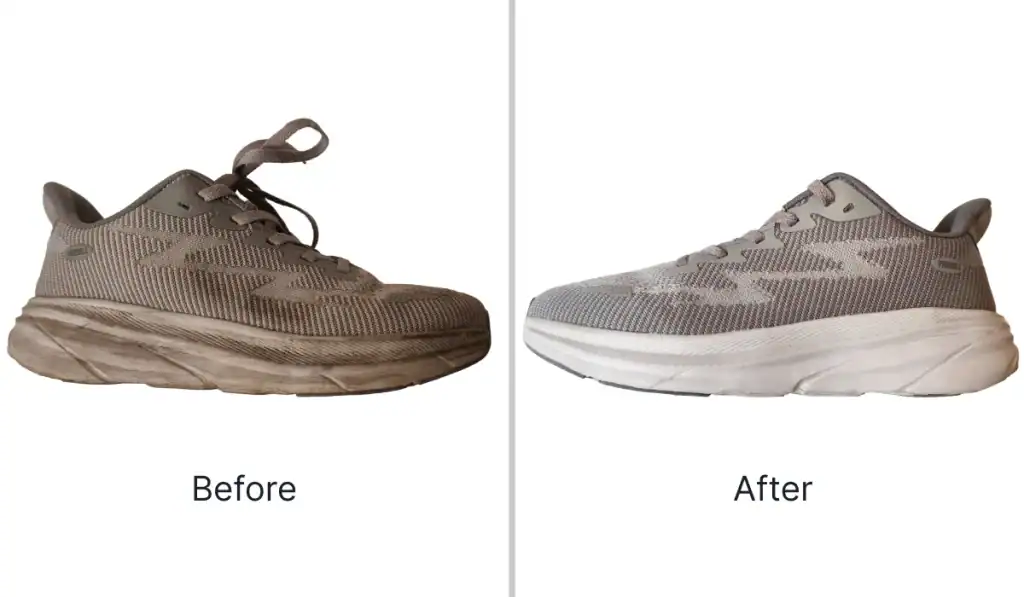
Yes, you can wash most sneakers and trainers in the washing machine — but only if you follow the right steps. Throw them in the wrong way and you risk shrinking the upper, warping the sole, or yellowing the midsole in a way that never comes out.

This guide covers everything about how to wash sneakers in the washing machine safely: which shoes are safe to machine wash, how to prep them, the exact settings to use, and how to dry them without causing damage. Whether you call them sneakers, trainers, or gym shoes, the method is the same.
Contents
Which Shoes Can Go in the Washing Machine?
Not all shoes are machine-washable. Before you do anything else, check the care label inside your shoe. It is usually stitched into the tongue or the inner heel collar.
Safe to machine wash:
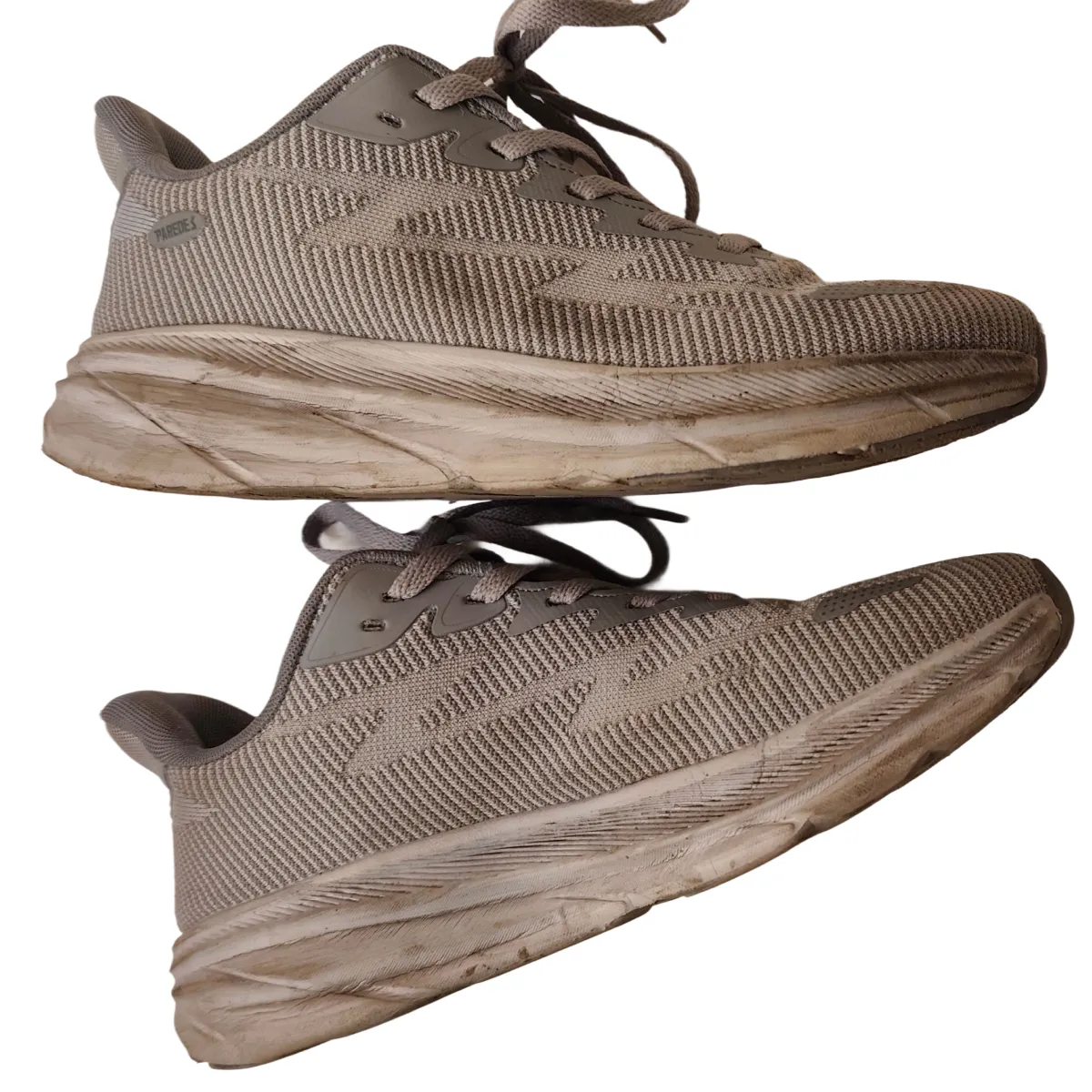
Most fabric-upper sneakers and trainers are safe to wash in the washing machine without issue. This includes running shoes with mesh or knit uppers, canvas sneakers such as Chuck Taylors and Vans Authentics, gym shoes and cross-trainers with synthetic fabric uppers, and everyday fabric trainers from brands like Nike, Adidas, New Balance, and Skechers. Check the care label on your specific pair to confirm — even within the same brand, different models use different materials and construction methods.
Do NOT machine wash:
Leather sneakers and trainers should be hand-cleaned only. The drum agitation and water saturation will crack and stiffen the leather permanently. Suede and nubuck shoes are damaged by water entirely — these require dry brushing. Shoes with significant embellishments such as beading, sequins, or delicate overlays can lose their details in the wash. Shoes held together with heat-sensitive glue — common in older or budget pairs — may separate at the sole. When in doubt, spot-clean by hand rather than risk it.
📋 Quick rule: If the upper is mostly fabric and the shoe has no leather panels or fragile decorations, it can almost certainly go in the machine. If any part of the upper is leather, suede, or has decorative hardware — hand wash only.
What You Need Before You Start
Gather these before you begin. Having everything ready makes the process faster and prevents the most common mistake — putting shoes straight into the drum without a protective bag.
Essential:
- A mesh laundry bag (or a pillowcase as a backup — more on this below)
- Mild liquid laundry detergent — powder can leave residue inside the shoe
- Old towels (2–3) to balance the drum load and reduce banging noise
Optional but useful:
- A soft brush or old toothbrush for pre-cleaning loose dirt
- Stain remover for any visible marks before washing
- Newspaper or paper towels for stuffing during drying
Want to know exactly what to do before the wash cycle? Read our full Sneaker Washing Prep Guide for the complete pre-wash checklist, including how to treat stains before they go in the machine.
Step-by-Step: How to Wash Sneakers in the Washing Machine
Step 1: Remove the laces and insoles
Pull out both laces and both insoles before anything else. Laces left in can tangle around the drum mechanism or get knotted beyond use. Insoles trap water and take much longer to dry, which causes odour. Wash both separately — laces can go in the mesh bag with the shoes, insoles should be hand-washed with a small amount of detergent and left to air dry flat.
Step 2: Remove loose dirt

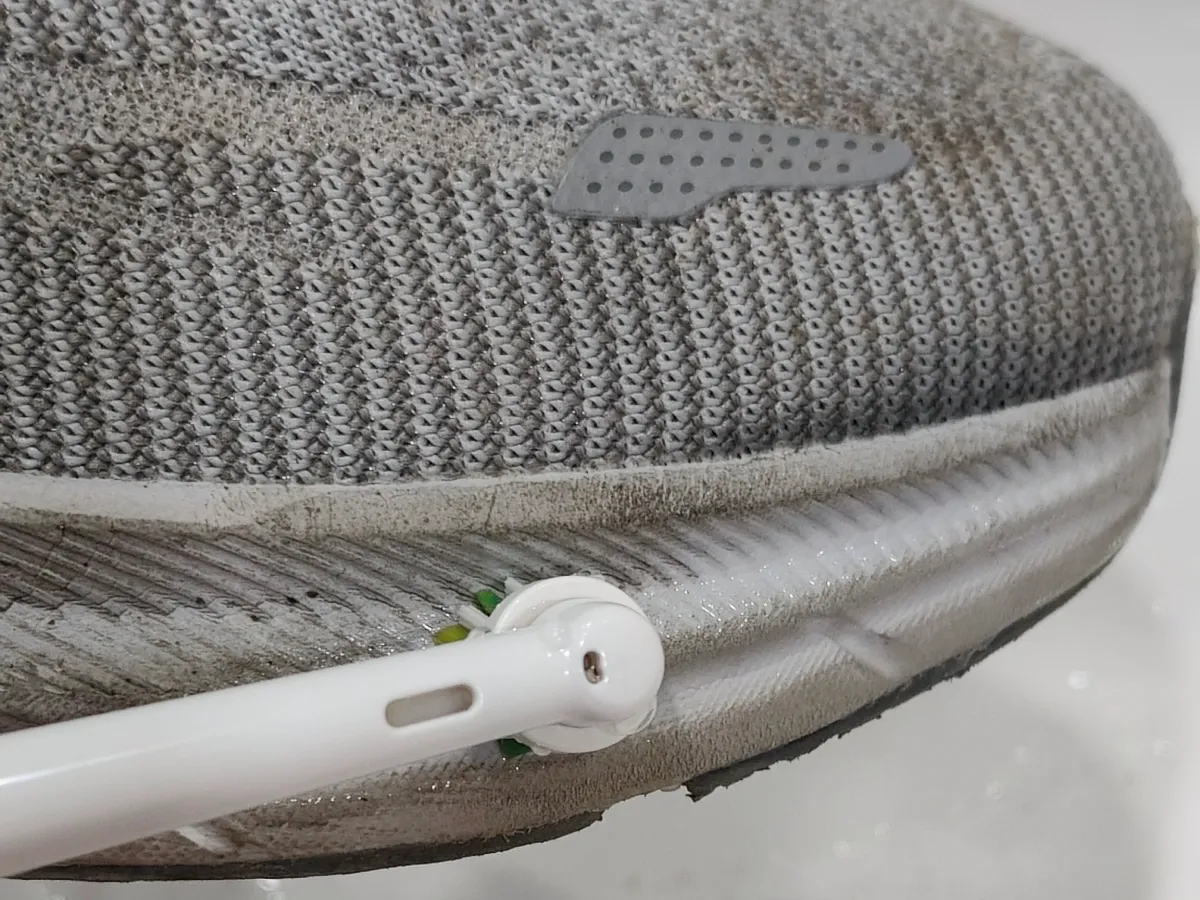
Take the shoes outside or hold them over a bin. Knock the soles together to dislodge dried mud and debris. Use a dry brush or old toothbrush to work off any remaining dirt from the outsole grooves. This step matters because loose dirt in the drum can clog the machine filter and settle back onto your shoes during the rinse cycle.
Step 3: Pre-treat any visible stains
Apply a small amount of liquid laundry detergent or a dedicated stain remover directly to any marks. Work it in gently with your fingers or a soft brush. Let it sit for 5–10 minutes before proceeding. Do not scrub aggressively — you are just loosening the stain, the machine will do the work.
Step 4: Place shoes in a mesh laundry bag
This is the single most important step. The mesh bag does two things: it keeps the shoes from banging hard against the drum walls (which protects both the shoes and the machine), and it keeps the laces from wrapping around the agitator. If you do not have a mesh laundry bag, use a clean pillowcase tied at the top. It is slightly less effective but works in a pinch.
Mesh bag vs pillowcase — which is better?
| Mesh bag | Pillowcase | |
|---|---|---|
| Drum protection | ✓ Excellent | ✓ Good |
| Allows water/detergent flow | ✓ Full flow | ✗ Restricted |
| Reusable | ✓ Yes | ✓ Yes |
| Risk of shoe slipping out | ✗ Low | ✗ Low if tied tightly |
| Verdict | First choice | Acceptable backup |
Step 5: Add towels to balance the load
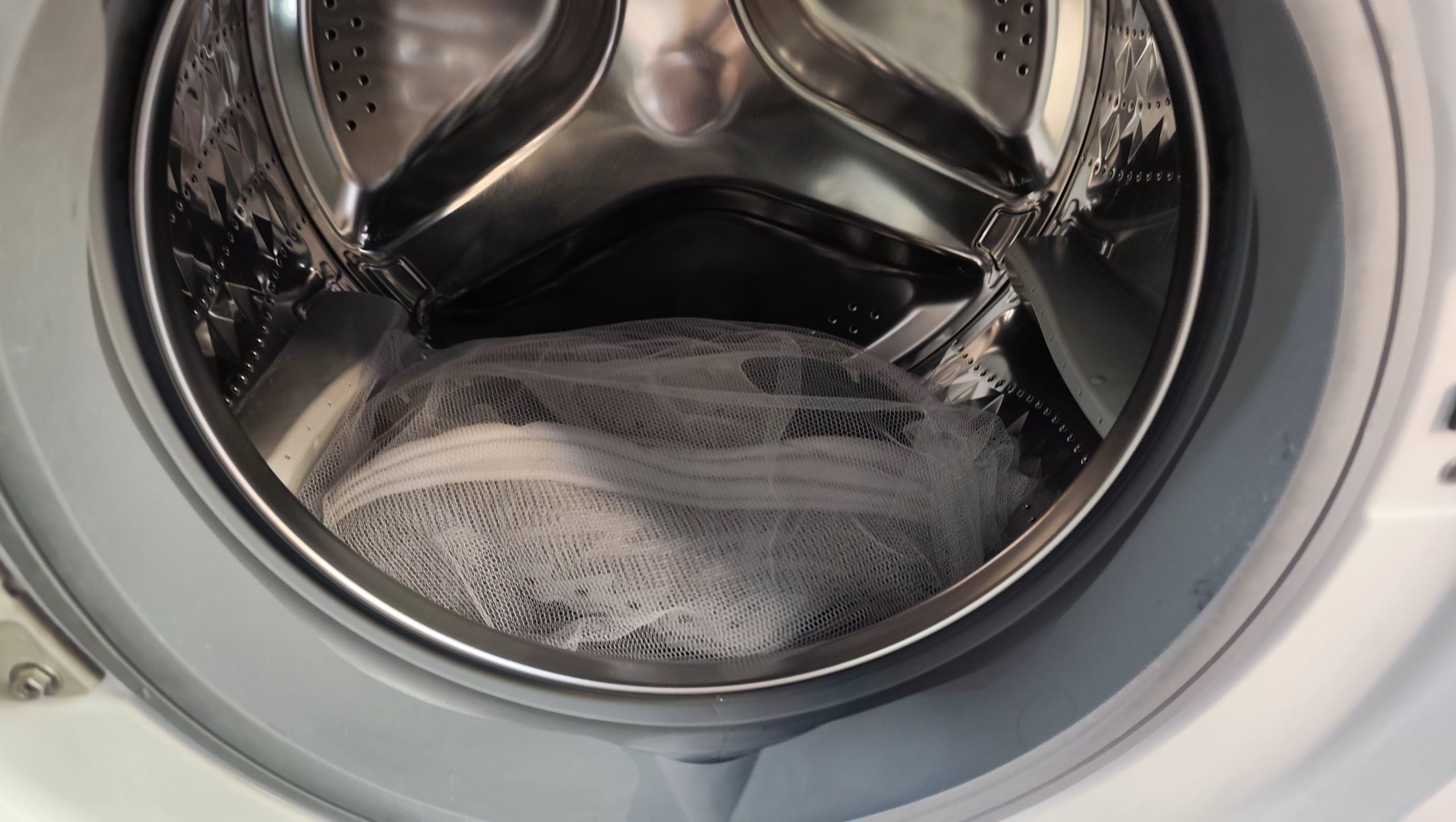
Place 2–3 old towels in the drum alongside the bag. This serves two purposes: the towels cushion the shoes so they do not slam repeatedly against the drum, and they balance the load so the machine does not vibrate excessively. An unbalanced load with only shoes can cause the machine to stop mid-cycle or, over time, wear out the drum bearings.
Do not wash shoes alone without the towels.
Step 6: Add detergent — the right amount
Use liquid detergent, not powder. Powder detergent does not always fully dissolve at low temperatures and can leave a white chalky residue inside the shoe. Use roughly half the amount you would for a normal laundry load — shoes do not need as much detergent as a full drum of clothes, and excess soap is harder to rinse out completely.
Do not use bleach on coloured shoes. On white canvas shoes, a small amount of oxygen-based bleach is acceptable — see the white sneakers section below.
Step 7: Select the right wash cycle and start
Close the door and select your cycle. The exact settings matter more than most people realise — the wrong temperature or spin speed is the most common cause of shoe damage in the machine. See the full settings guide directly below.
Washing Machine Settings for Shoes
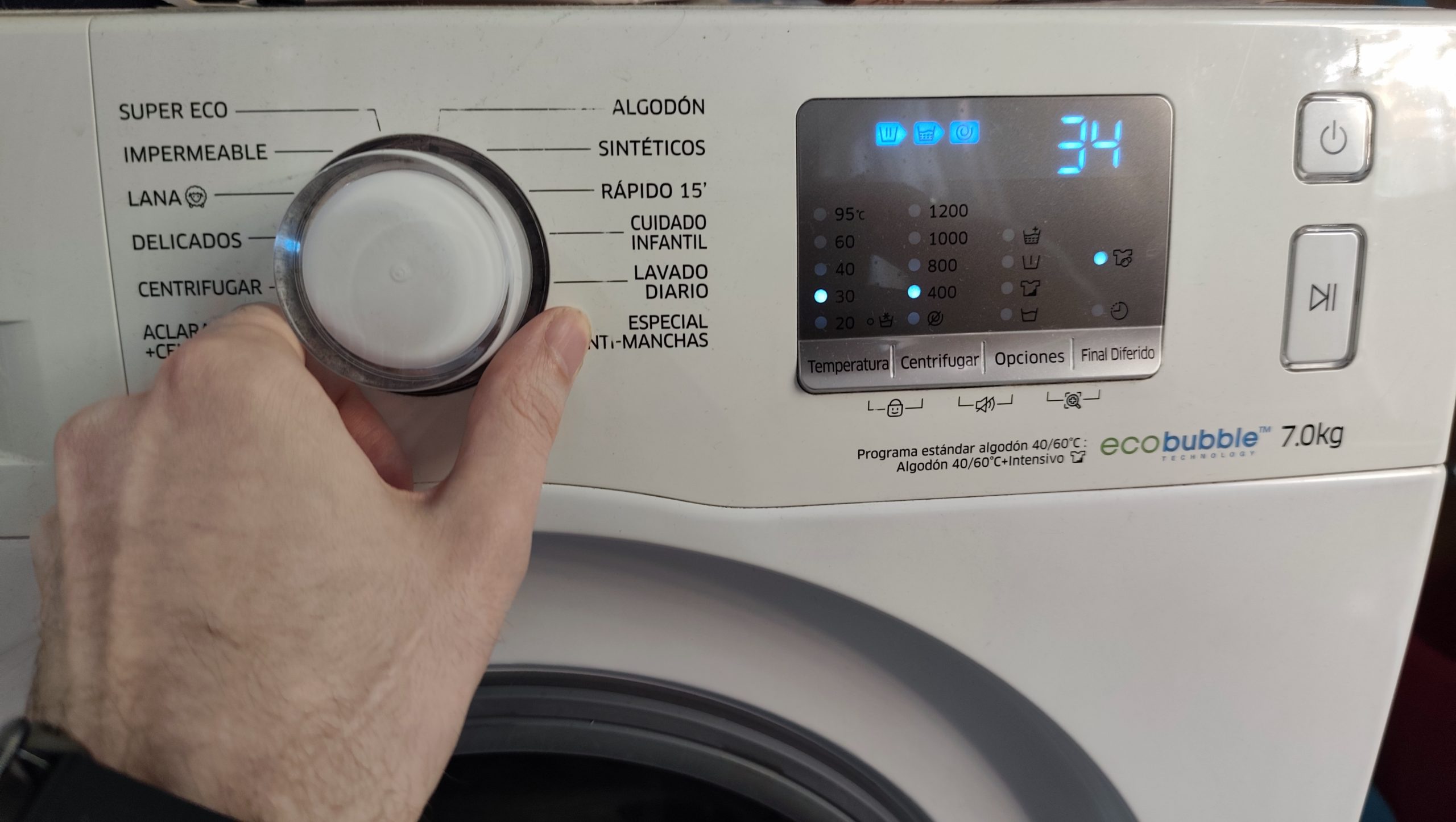
Use these settings for any pair of fabric sneakers or trainers:
| Setting | What to use | Why |
|---|---|---|
| Temperature | Cold (30°C / 86°F or below) | Heat causes glue to soften, soles to warp, and synthetic materials to shrink |
| Cycle | Delicate / Gentle / Hand wash | Low agitation protects the shape of the upper |
| Spin speed | 400–600 RPM maximum | High spin stretches and distorts fabric uppers |
| Detergent | Liquid, mild | Powder leaves residue; avoid bleach on coloured shoes |
| Extra rinse | On if available | Ensures all detergent is fully removed from inside the shoe |
Never use hot water. When deciding what setting to use to wash sneakers in the washing machine, always choose cold. Most sneaker construction relies on heat-activated adhesives. Hot water — anything above 40°C / 104°F — can begin to loosen the bond between the upper and the sole, sometimes permanently. Even if the shoes come out of the wash intact, the bond is weakened and the sole may detach later.
What about the spin cycle — can I skip it entirely?
You can set the spin speed to zero if your machine allows it, but this leaves the shoes much wetter and significantly extends drying time. A low spin of 400–600 RPM strikes the best balance: it removes excess water without stressing the shoe structure. Avoid anything above 800 RPM.
Top-Load vs Front-Load Washers — Does It Matter?
Front-load washers are better for washing sneakers. The tumbling action is gentler than the agitator in most top-load machines, and there is no central post for laces to wrap around.
Top-load washers with a central agitator are the most aggressive setup for shoes. The agitator can batter the shoes against the drum walls with more force than a front-loader. If you have this type of machine, use the gentlest cycle available, make sure the shoes are fully inside the mesh bag, and pack extra towels around them. It is not ideal, but it works with the right precautions.
Top-load washers without an agitator (high-efficiency top-loaders) behave more like front-loaders and are a safe option for shoes.
Will Washing Shoes Damage Your Washing Machine?
This is one of the most common questions, and the honest answer is: not if you do it correctly and not too frequently.
The risks to your machine when washing shoes improperly are as follows. Hard-soled shoes banging against the drum can dent or score the drum lining over time. Loose dirt and debris from unwashed shoes can clog the filter. An unbalanced load — shoes without towels — puts strain on the drum bearings. Without a protective mesh bag, laces can tangle around the drum seal or agitator.
Following the steps above — mesh bag, towels, cold delicate cycle — removes all of these risks. The occasional wash of sneakers in the washing machine is not going to break a modern machine..
How often is too often?
Washing the same pair of shoes weekly is likely to degrade them faster than any risk to the machine. For most people, machine washing sneakers every few weeks or when genuinely dirty is a reasonable frequency. For the machine itself, this is insignificant compared to regular laundry use.
How to Dry Sneakers After Washing — The Right Way
This step is where most people go wrong. Correct drying is as important as the wash itself.
Always air dry — never use high heat. After you wash sneakers in the washing machine, drying correctly is just as important as the wash itself. Do not put sneakers directly into a tumble dryer on a standard heat cycle. The heat will shrink synthetic materials, melt adhesives, and cause white or light-coloured midsoles to yellow. This yellowing is caused by a chemical reaction between heat, UV light, and the compounds used in foam midsoles — and once it happens, it is very difficult to reverse.
How to air dry shoes correctly:
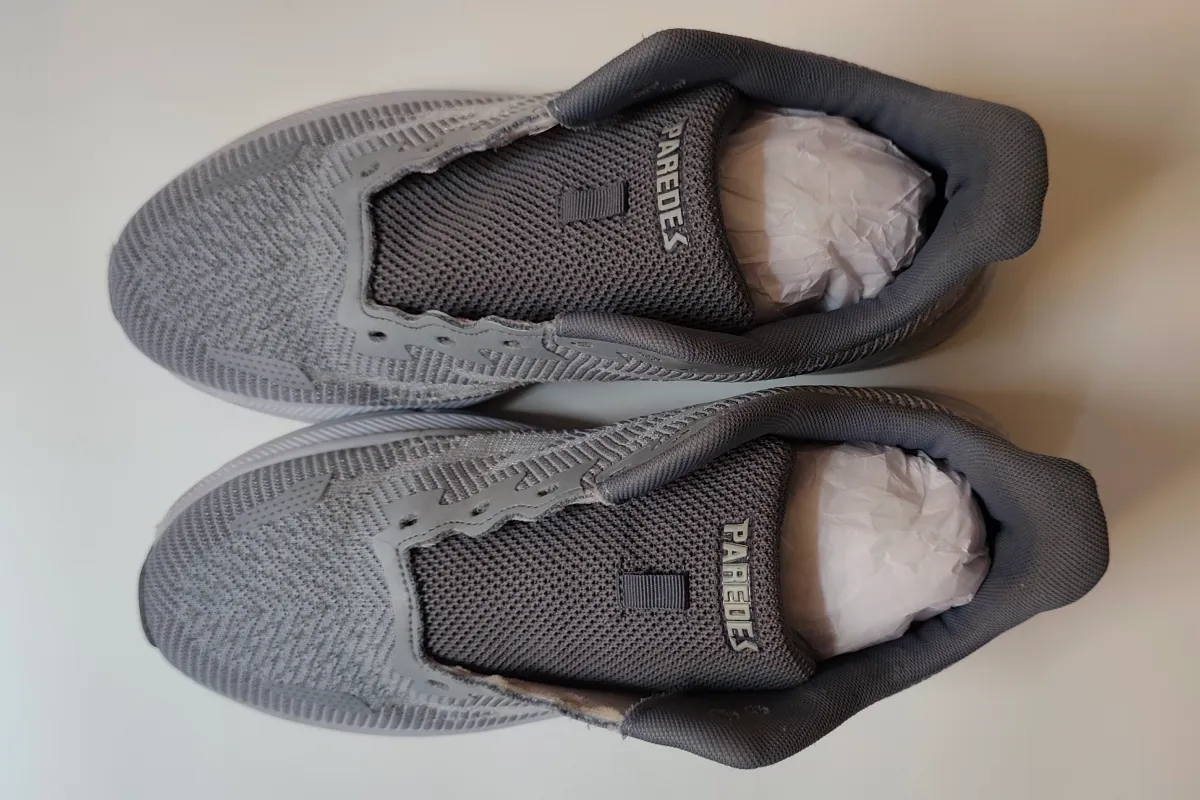
Remove the shoes from the mesh bag immediately after the cycle ends. Do not leave them sitting in a wet drum — this encourages mildew. Stuff each shoe firmly with newspaper or paper towels — this absorbs moisture from the inside and helps the shoe hold its shape as it dries. Place the shoes upright or on their side in a well-ventilated area away from direct sunlight and away from direct heat sources such as radiators or vents. Expect drying to take 12–24 hours for most shoes depending on how saturated they became and the humidity of the room.
For the complete guide to drying techniques including the newspaper method, silica gel packs, and how to prevent sole yellowing entirely, read our How to Dry Sneakers Fast guide.
White Sneakers — Extra Steps to Prevent Yellowing
White sneakers and trainers need a few extra precautions both before and after washing.
Before the wash: Apply a paste of baking soda and a small amount of white vinegar to the rubber outsole and any yellowed areas. Let it sit for 10 minutes, then rinse off before putting them in the machine. This helps lift existing discolouration before the wash.
Detergent choice: Use a detergent formulated for whites or a small amount of oxygen bleach (such as OxiClean). Avoid chlorine bleach on fabric uppers — it can cause a chemical reaction that yellows fabric rather than whitening it, particularly on synthetic materials.
After the wash: Never dry white shoes in direct sunlight. UV exposure accelerates the yellowing reaction in foam compounds. Dry them indoors in a ventilated space. If any yellowing remains on the rubber sole after drying, a dedicated sneaker sole cleaner or a small amount of acetone on a cotton ball applied only to the rubber (not the fabric) can help.
Material Safety Guide — What Can and Cannot Go in the Machine
Canvas sneakers (e.g., Converse Chuck Taylors, Vans Authentics)
Canvas is the easiest material to wash in the washing machine — it handles cold water and gentle cycles very well. It is woven fabric and handles cold water and gentle cycles very well. Use cold water, gentle cycle, and if the canvas is white, a small amount of oxygen bleach is safe. One note: canvas shoes can shrink very slightly in warm water, so cold is essential.
Mesh and knit uppers (e.g., most running shoes, Nike Flyknit)
Mesh is safe to wash in the washing machine and is the most common material for running and gym shoes. The open weave allows water and detergent to move through freely, making for a thorough clean. Use cold/delicate settings. Avoid high spin speeds as they can distort the knit structure.
Leather sneakers and trainers
Do not machine wash leather. Water saturation causes leather to stiffen, crack, and lose its shape permanently. Even if the shoes look fine coming out of the machine, the leather fibres have been damaged and will deteriorate faster from that point. Clean leather sneakers by hand using a damp cloth, mild soap, and a leather conditioner afterwards.
⚠️ Stop here if your sneakers are leather. Machine washing will permanently damage them. Read our How to Clean Leather Sneakers guide instead.
Patent leather
Do not machine wash patent leather. The lacquered coating will peel and crack under drum agitation. Wipe clean with a damp soft cloth only.
Suede and nubuck
Never put suede or nubuck in the washing machine. Water is the enemy of suede — it causes permanent staining, flattening of the nap, and warping of the shape. Use a dedicated suede brush for dry cleaning.
Synthetic leather (PU/faux leather)
Synthetic leather is borderline. Small amounts of water are fine, but prolonged soaking in a machine wash can cause the PU coating to begin peeling, particularly on older shoes. If the shoe is mostly synthetic leather, hand washing is the safer option.
Common Mistakes When Machine Washing Shoes
Using hot water. This is the single most damaging mistake. Cold water only.
No mesh bag. Shoes banging directly against the drum can damage both the shoes and the machine, and laces become tangled.
No towels in the drum. An unbalanced load causes excessive vibration and can cause the machine to stop mid-cycle.
High spin speed. Anything above 600 RPM on sneakers risks distorting the upper and stressing the glue.
Putting them in the tumble dryer on high heat. This causes sole yellowing, material shrinkage, and adhesive failure.
Not removing insoles. Insoles trap water and take far longer to dry than the rest of the shoe, causing odour.
Washing leather or suede by mistake. Always check the upper material before putting any shoe in the machine.
Frequently Asked Questions
Can you put sneakers in the washing machine? Yes, most fabric-upper sneakers and trainers can be machine washed safely. Use a cold, delicate cycle, place them in a mesh laundry bag, and always add 2–3 towels to the drum to cushion the load. Avoid machine washing leather, suede, or patent leather shoes.
What setting should I use to wash shoes in the washing machine? Use a cold water setting (30°C / 86°F or below) on a gentle or delicate cycle. Set the spin speed to 400–600 RPM maximum. Use liquid laundry detergent rather than powder. If your machine has an extra rinse option, turn it on.
Will washing shoes damage the washing machine? Not if done correctly. The key precautions are: use a mesh laundry bag to prevent the shoes from hitting the drum directly, add 2–3 towels to balance the load and reduce banging, and always clean loose dirt from the soles before putting them in. The occasional shoe wash will not harm a modern machine.
Can shoes break a washing machine? Hard-soled shoes banging without a protective bag on a high-speed cycle can dent or score a drum lining over time. Using a mesh bag and towels on a gentle cycle eliminates this risk. Shoes that have lost metal hardware such as eyelets or cleats should not be machine washed as loose metal can damage the drum.
Can you put trainers in the washing machine? Yes — the terms trainers and sneakers refer to the same type of footwear, and the same rules apply. Fabric-upper trainers are safe to machine wash on a cold, gentle cycle in a mesh bag. Leather or suede trainers should be hand cleaned only.
How do you wash shoes in a top-load washing machine? Top-load washers with a central agitator are harsher on shoes than front-loaders. Use the gentlest available cycle, ensure shoes are fully enclosed in a mesh bag, and pack extra towels around them to limit movement. If your top-loader is a modern high-efficiency model without an agitator, treat it the same as a front-loader.
Can you put white shoes in the washing machine? Yes. Use cold water, a gentle cycle, and a detergent designed for whites or a small amount of oxygen bleach. Avoid chlorine bleach on fabric uppers. After washing, dry indoors away from direct sunlight — UV exposure causes white foam midsoles to yellow.
Is it safe to wash running shoes in the washing machine? Most modern running shoes have mesh or knit uppers that are safe to machine wash on a cold, gentle cycle. Check the care label on your specific pair. Remove insoles before washing and air dry after — never use a tumble dryer on running shoes as the heat degrades the foam cushioning.
Can you wash canvas shoes in the washing machine? Yes. Canvas is the most machine-wash-friendly sneaker material. Cold water, gentle cycle, and a small amount of liquid detergent. Canvas uppers are durable enough to handle the process without distortion.
Can you put leather shoes or trainers in the washing machine? No. Machine washing leather causes permanent damage — the material stiffens, cracks, and loses shape. Clean leather shoes by hand using a damp cloth and leather-specific cleaner, then condition afterwards.
How do you wash shoes in the washing machine without ruining them? To safely wash sneakers in the washing machine without ruining them: The five rules are: cold water only, gentle/delicate cycle, mesh laundry bag, 2–3 towels in the drum, and air dry afterwards. Following all five eliminates the main failure points.
Can you wash gym shoes in the washing machine? Yes. Gym shoes and cross-trainers are typically made from mesh or synthetic fabric uppers that handle machine washing well. Remove the insoles first, place in a mesh bag, and use a cold, gentle cycle.
Following these steps when you wash sneakers in the washing machine protects both the shoes and the machine.